February 19, 2026
The allure of modified or restored cars often stems from their unique blend of history, craftsmanship, and customization. As these vehicles continue to capture the imagination of collectors and enthusiasts alike, determining their value becomes a complex process that requires a keen understanding of both the automotive industry and evolving market trends. Professional auto appraisals provide structure and credibility to this process, ensuring that each vehicle is evaluated on measurable criteria rather than emotion alone. This article explores the methodologies used to determine the worth of such vehicles and highlights the factors that most significantly influence valuation outcomes.
Understanding the Foundations of Vehicle Valuation
Before diving into detailed inspections, appraisers begin with fundamental valuation principles. These principles combine condition, rarity, originality, and market demand to create a baseline figure. In the world of collector vehicles, no two cars are identical, even when they share the same make and model. That is why structured auto appraisals rely on both standardized benchmarks and individualized evaluation. This balanced approach ensures consistency while still honoring the unique story of each vehicle.
The Professional Role of Appraisers
Appraisers play a pivotal role in determining the market value of modified or restored cars. They must possess a deep understanding of automotive history, mechanical systems, restoration standards, and buyer behavior. Their evaluations assist sellers, buyers, lenders, and insurers in establishing fair value. Many professionals conducting auto appraisals utilize historical sales databases, auction records, and condition grading systems to support their conclusions. Their expertise brings objectivity to transactions that might otherwise be driven purely by sentiment.
Primary Factors Influencing Value
Several elements significantly affect valuation. The vehicle’s make and model, production numbers, historical relevance, and condition form the backbone of assessment. The extent and quality of modifications or restoration work also weigh heavily. According to Statista, classic car sales through online events increased from 42,247 in 2023 to 46,900 in 2024, demonstrating growing demand and the importance of understanding market momentum. Accurate auto appraisals interpret these market indicators alongside physical inspection findings to establish realistic value ranges.
Stock Versus Modified Vehicle Considerations
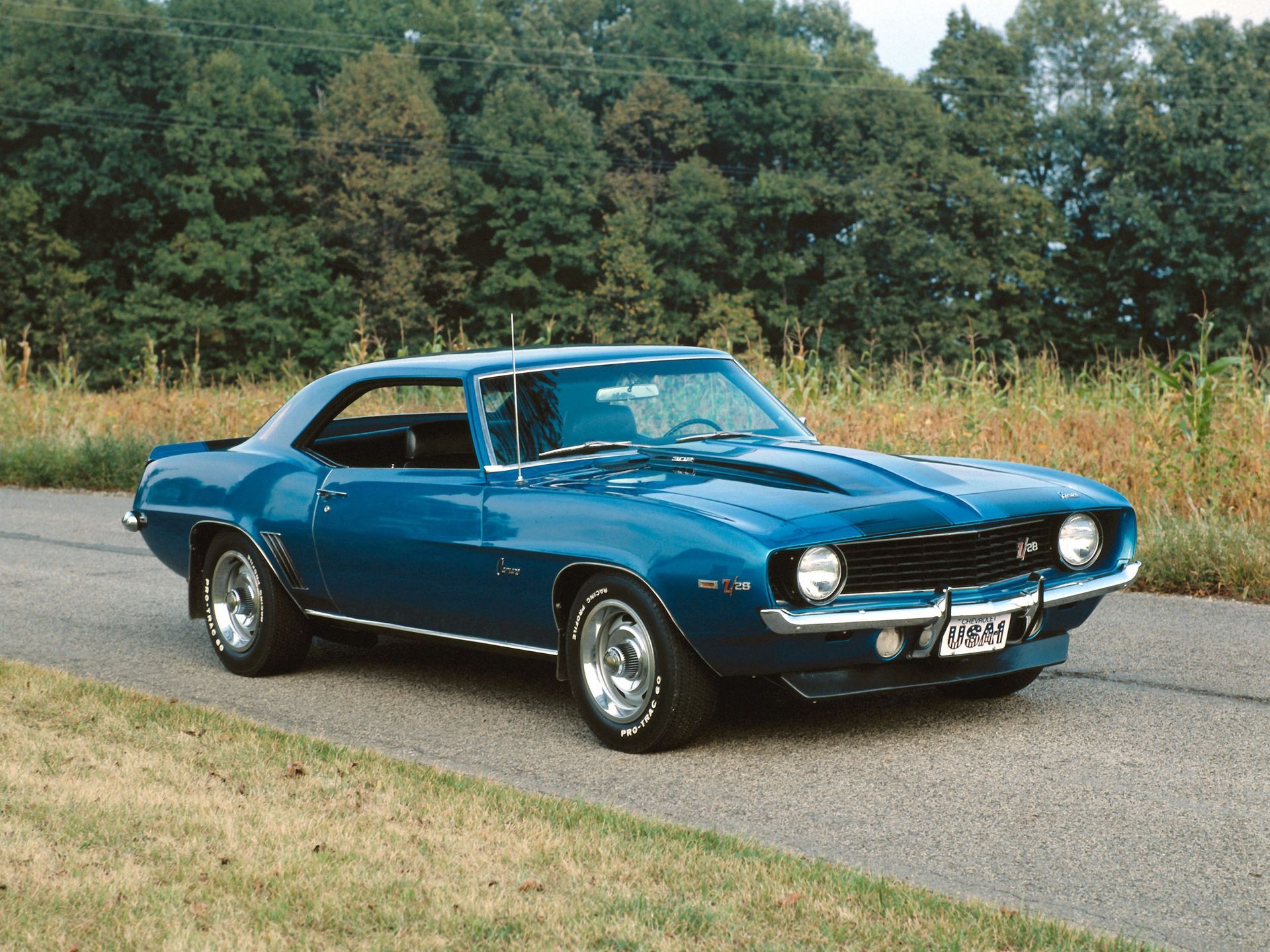
Stock vehicles that retain original factory components are typically judged by originality and preservation. Modified vehicles, however, require a more nuanced review. Upgrades may enhance performance and aesthetics, but they can also diminish historical authenticity. A carefully executed performance build may increase desirability among certain collectors, while others prioritize originality above all else. Effective auto appraisals weigh whether modifications improve mechanical reliability, visual appeal, and resale potential, or whether they simply reflect personal customization preferences.
Economic and Market Trend Interpretation
Classic and modified car markets respond to broader economic conditions. When disposable income rises and consumer confidence strengthens, demand for collector vehicles often increases. Conversely, economic slowdowns may temper enthusiasm and soften pricing. Appraisers must evaluate how current financial conditions influence purchasing behavior. Trend interpretation is essential in auto appraisals because values can shift based on generational preferences, nostalgia cycles, and renewed interest in specific eras of automotive production.
Authenticity and Documentation Standards
Authenticity significantly enhances credibility and value. Comprehensive documentation, including service records, restoration invoices, and photographic evidence, supports claims made about a vehicle’s history. Period-correct restoration techniques and original components typically command stronger market responses. Appraisers carefully verify documentation to confirm that restoration or modification work meets recognized standards. In thorough auto appraisals, documented provenance can sometimes add as much value as mechanical excellence.
Inspection of Modifications and Upgrades
Modifications range from subtle performance tuning to complete structural redesigns. Engine upgrades, suspension improvements, braking enhancements, and cosmetic transformations all require detailed evaluation. Appraisers analyze whether changes were professionally engineered and properly integrated into the vehicle’s existing systems. Poorly executed alterations can compromise safety and long-term reliability. The objective is to determine whether enhancements elevate the vehicle’s appeal without sacrificing mechanical integrity.
Performance and Reliability Assessment
Performance gains often attract buyers seeking a more dynamic driving experience. However, reliability remains a critical factor. Enhancements that overstress engines or drivetrain components can reduce long-term dependability. Appraisers evaluate drivability, structural soundness, and system compatibility to ensure modifications function cohesively. A vehicle that delivers both improved performance and stable operation generally receives stronger valuation support than one with aggressive but unstable upgrades.
Workmanship and Craft Quality Evaluation
The quality of craftsmanship directly affects valuation outcomes. High-level bodywork, precision engine assembly, meticulous interior restoration, and professional paint application signal superior execution. Appraisers inspect welds, panel alignment, paint consistency, and finishing details. Superior workmanship reflects investment in skilled labor and quality materials. Vehicles restored or modified by respected specialists often gain added credibility in the collector marketplace.
Rarity and Unique Characteristics
Limited production numbers, rare factory options, and distinctive custom features can significantly elevate value. Unique builds with documented one-off components may attract niche collectors willing to pay premium prices. However, rarity must be substantiated. Appraisers verify production records, serial numbers, and documentation to confirm exclusivity claims. True rarity supported by evidence strengthens valuation conclusions.
Compliance With Legal and Safety Regulations
Legal compliance influences both marketability and insurability. Modified vehicles must adhere to safety standards and registration requirements within their jurisdiction. Non-compliant changes may reduce value or complicate ownership transfer. Appraisers confirm that major structural or emissions-related modifications meet regulatory expectations. Vehicles that pass inspection requirements and maintain roadworthiness inspire greater buyer confidence.
Restoration Quality and Historical Accuracy
In restored vehicles, adherence to original specifications is paramount. Restoration quality is measured against industry standards, focusing on accuracy, material authenticity, and mechanical fidelity. Vehicles restored to period-correct configurations often achieve stronger market response. Appraisers compare the finished product to manufacturer documentation to ensure historical consistency. Accurate restoration preserves both cultural heritage and investment value.
Use of Original Components Versus Reproductions
Original factory parts frequently command higher regard among collectors. When replacements are necessary, quality reproductions may be acceptable if properly documented. Appraisers differentiate between authentic components and aftermarket substitutes. While reproductions can maintain visual integrity, originality typically carries stronger long-term appreciation potential. Verification of part authenticity is an integral part of the valuation process.
Comparable Sales and Market Benchmarks
Comparable sales data remains one of the most objective tools in valuation. Appraisers examine auction outcomes, private sale listings, and dealer transactions involving similar vehicles. Adjustments are made for condition, mileage, documentation, and rarity. Market benchmarks provide context and prevent overvaluation or undervaluation. This analytical component anchors conclusions in observable financial data rather than speculation.
Regional and International Pricing Variations
Geographic location can influence value significantly. Certain models command stronger interest in specific regions due to cultural preference or climate suitability. Currency exchange rates and import regulations also impact international pricing. Appraisers evaluate where a vehicle may achieve the strongest demand, considering global collector trends and logistical costs.
Historical Significance and Provenance
Vehicles associated with notable events, racing achievements, or prominent owners often command elevated prices. Provenance must be documented through verifiable records. Cars that represent milestones in automotive engineering or cultural history hold enduring appeal. Appraisers research ownership lineage and event participation to substantiate claims of significance. Documented historical connections frequently enhance desirability.
Balancing Objective Data and Market Perception
Final valuation requires balancing measurable data with buyer sentiment. Objective elements such as mechanical condition and comparable sales provide a foundation. Subjective factors like aesthetic appeal, generational nostalgia, and collector enthusiasm refine the figure. Skilled appraisers reconcile these dimensions to produce a fair and defensible conclusion.
Compilation of the Final Appraisal Report
The final report synthesizes inspection findings, documentation review, market research, and historical analysis into a cohesive valuation narrative. Clear justification supports the assigned figure, ensuring transparency for all parties involved. Well-prepared reports serve buyers, sellers, lenders, and insurers alike by offering reliable reference points. Comprehensive documentation strengthens trust and supports informed financial decisions.
The appraisal of modified or restored cars is a disciplined process that blends technical expertise, historical research, and market awareness. By evaluating craftsmanship, authenticity, performance, compliance, and current demand, professionals provide accurate assessments that reflect both tangible and intangible value. Understanding these principles allows collectors and enthusiasts to approach transactions with confidence, preserving the legacy and financial integrity of these automotive treasures. Contact Classic Car Research today to get connected with our auto appraisal services