October 15, 2026
Whether you're preparing to sell a cherished vehicle, insuring a collector car, or settling an insurance claim, one question tends to come up again and again: "What's my car worth?" The answer is rarely as simple as plugging a few details into an online calculator. A vehicle's true value depends on a combination of factors, some obvious and others easy to overlook. Understanding these factors helps you set realistic expectations, negotiate with confidence, and avoid leaving money on the table. Below are seven key factors that shape what your vehicle is truly worth, along with why a professional appraisal remains the most reliable way to get an accurate number.
1. Make and Model
The make and model of your vehicle lay the foundation for its value. Some manufacturers have built reputations for reliability, durability, and strong resale performance, which keeps buyer demand high long after the car leaves the showroom. Others depreciate quickly because of higher maintenance costs or a weaker reputation in the used market.
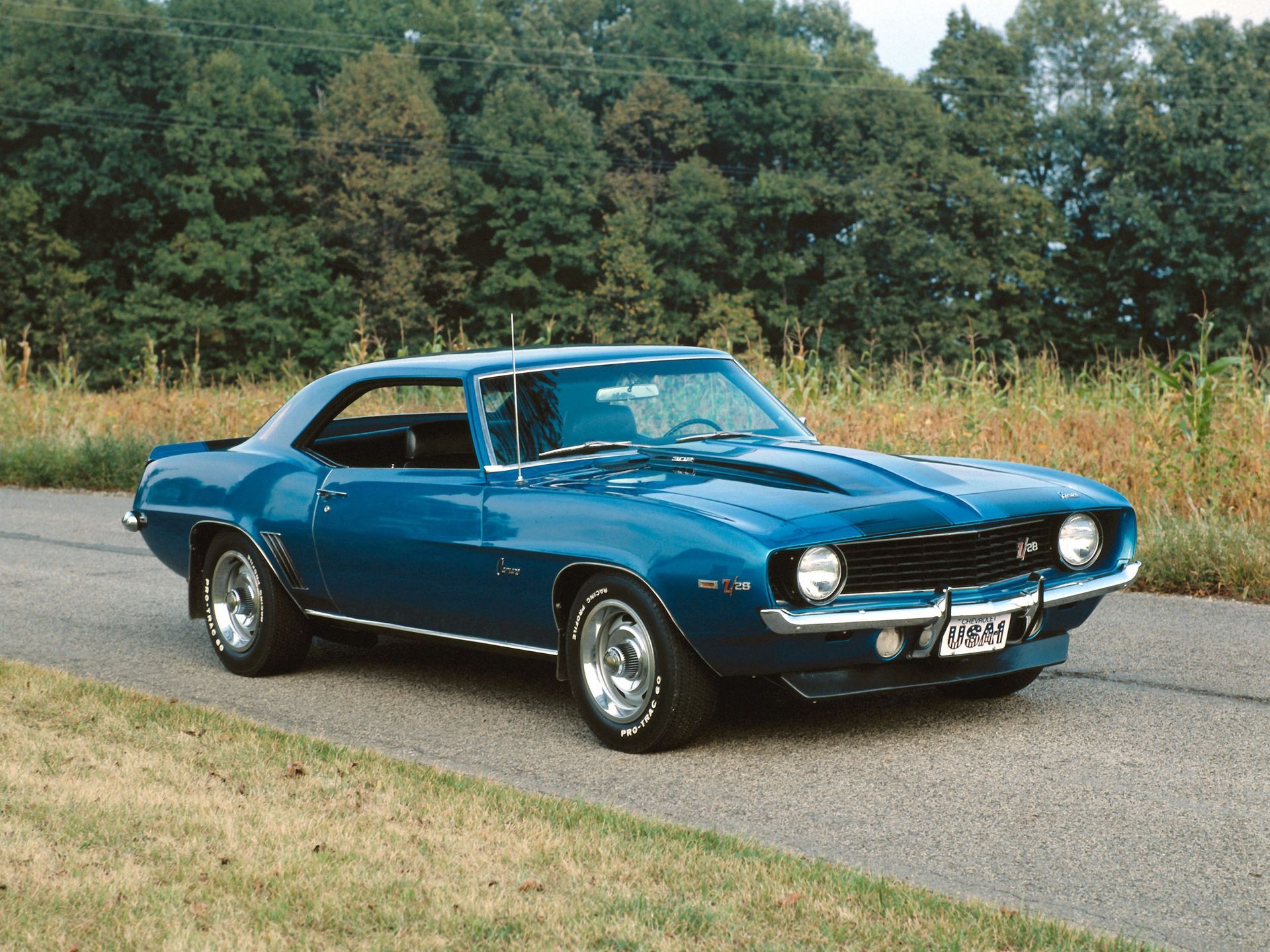
For classic and collector vehicles, the model and production run matter even more. Limited-production muscle cars, rare trim packages, and models with a devoted following often command premium prices, while mass-produced models from the same era may sell for far less. Engine options, body styles, and factory packages can also create significant price differences between two cars that look nearly identical at first glance. When you ask yourself, "What's my car worth?", start by researching how your specific make, model, and configuration have performed in the market over time.
2. Mileage and Usage
Mileage is one of the first numbers buyers and appraisers look at because it offers a quick snapshot of how much wear a vehicle has endured. Lower mileage generally translates to less strain on the engine, transmission, and suspension, which typically increases value. In our experience, vehicles driven well beyond 12,000 to 15,000 miles per year tend to see steeper depreciation.
How a car has been used matters just as much as the number on the odometer. A vehicle used primarily for highway driving often holds up better than one subjected to constant stop-and-go traffic, towing, or harsh winter conditions. For classic cars, low mileage can be a major selling point, but a car that has sat unused for decades may need costly work to address dried seals, stale fluids, and deteriorated rubber components. A knowledgeable appraiser can help determine how your car's mileage and usage history affect its value.
3. Condition and Appearance
Condition is often the deciding factor between an average offer and a strong one. Appraisers evaluate both mechanical and cosmetic condition, looking at everything from engine performance and brake function to paint quality, interior wear, and rust. Even small issues like cracked upholstery, faded trim, or worn tires can chip away at a vehicle's value.
For collector vehicles, condition is typically graded on a scale that ranges from concours-quality show cars to project vehicles in need of a full restoration. The difference in value between these grades can be dramatic. If you've been wondering, "What's my car worth?", take an honest look at your vehicle's condition, or better yet, have a professional conduct an in-depth inspection. An objective assessment removes the emotional attachment that can lead owners to overestimate or underestimate their car's condition.
4. Originality and Authenticity
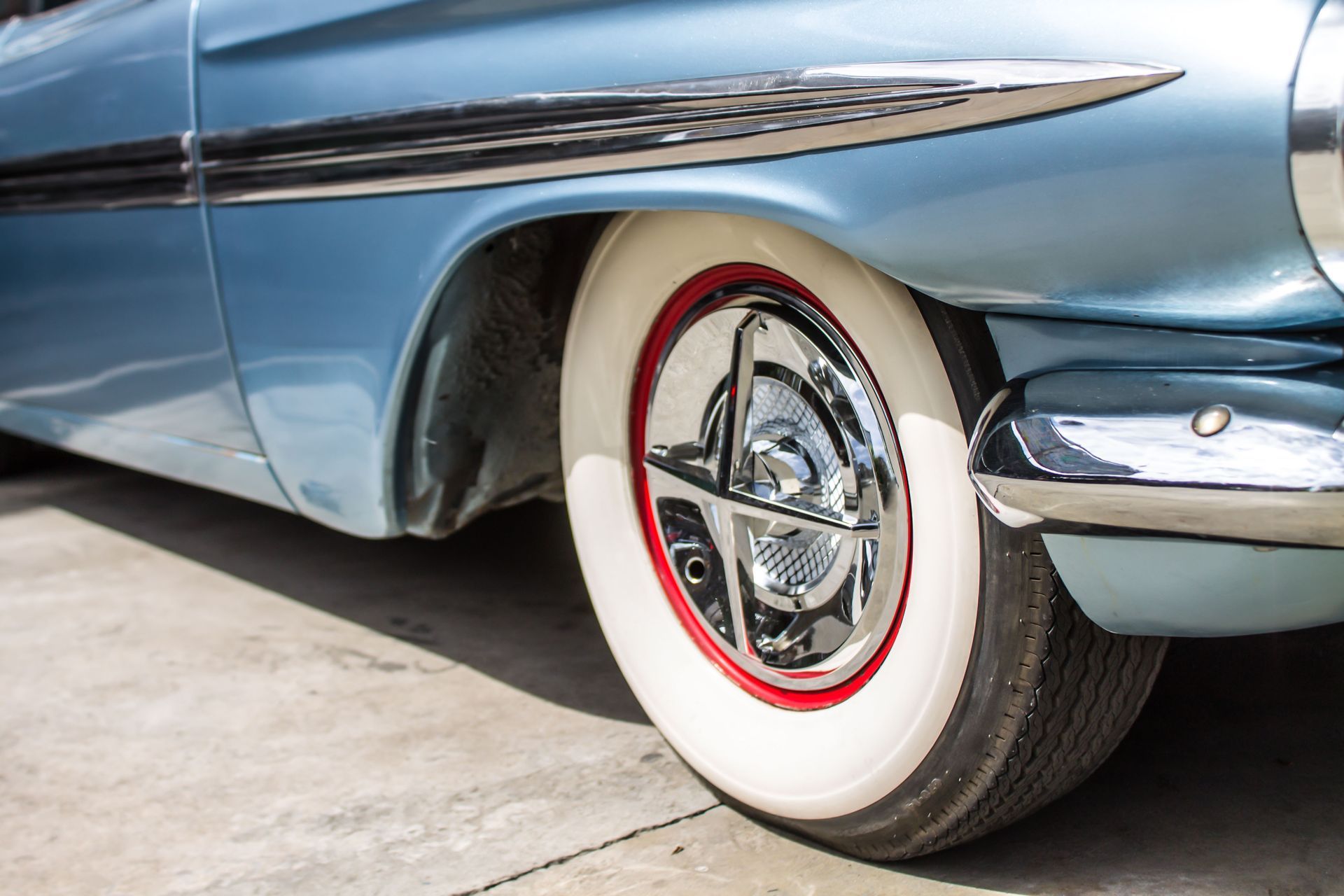
When it comes to classic and collector vehicles, originality can carry enormous weight. Buyers and collectors often pay a premium for cars with matching-numbers engines and transmissions, factory paint colors, and original interiors. These details prove that a car is authentic and has retained the components it left the factory with.
Modifications and restorations add another layer of complexity. A high-quality restoration that stays true to factory specifications can significantly increase value, while aftermarket modifications may either raise or lower a car's appeal depending on the buyer. Custom builds and restomods have their own dedicated market, but their value depends heavily on the quality of the work and the parts used. Anyone asking, "What's my car worth?" about a restored or modified vehicle should work with an appraiser who understands restoration quality and how authenticity affects market value.
5. Documentation and Service History
A well-documented vehicle is easier to value and easier to sell. Service records, maintenance receipts, original window stickers, build sheets, and ownership history all help verify a car's condition and authenticity. These records show buyers that a vehicle has been cared for properly and give appraisers the evidence they need to support a higher valuation.
For classic cars, historical documentation can be especially valuable. Records of notable previous owners, show awards, or a vehicle's original sale can add meaningful value and set your car apart from similar models. Restoration receipts and photographs also help demonstrate the quality and scope of past work. Before you start asking, "What's my car worth?", gather every piece of paperwork you have. Even records that seem minor can strengthen your car's story and its final valuation.
6. Accident and Damage History
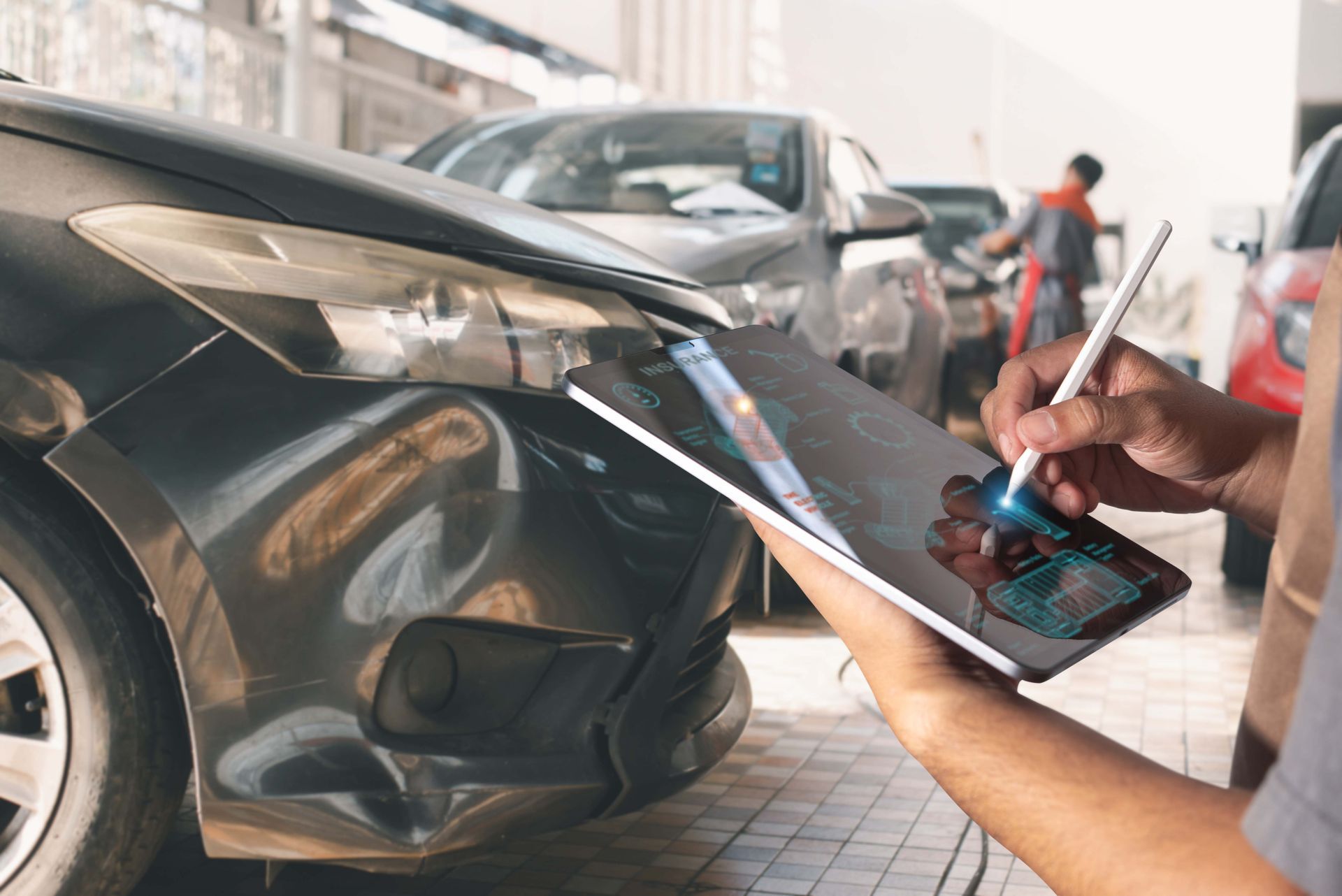
A vehicle's accident and damage history can significantly affect what buyers are willing to pay, even after professional repairs. Many buyers view previously damaged vehicles as riskier purchases, and vehicle history reports make it easy for them to uncover past incidents. This loss in market value is known as diminished value, and it can affect your car whether you're selling it or filing a claim with an insurer.
Flood damage, frame damage, and salvage titles tend to have the most severe impact, but even minor collisions can reduce a vehicle's resale value. If your car has been in an accident that wasn't your fault, a diminished value appraisal can help document how much value was lost and support your claim. Similarly, if your insurer declares your vehicle a total loss and offers a settlement that seems too low, an independent valuation can help you push back with solid evidence.
7. Market Demand and Sales Channel
Market demand is constantly shifting, and the same car can be worth more or less depending on when and where you sell it. Seasonal trends, fuel prices, economic conditions, and collector interest all influence what buyers are willing to pay. Convertibles may sell for more in spring and summer, while trucks and all-wheel-drive vehicles often see stronger demand heading into winter.
How you sell your vehicle also affects its final price. According to Car Edge, leading brands such as Toyota can hold onto as much as 65% of their residual value, but trade-in offers generally land 10% to 20% below what you could get through a private sale. Trading in offers convenience, but selling privately often puts more money in your pocket. For classic and collector cars, auctions, specialty dealers, and private collectors each create different pricing opportunities. Whether you're asking, "What's my car worth?" ahead of a trade-in or an auction, knowing your car's true value before choosing a sales channel helps you avoid accepting a lowball offer.
Determining your vehicle's true value takes more than a quick online estimate. Make and model, mileage, condition, originality, documentation, damage history, and market demand all work together to shape what your car is worth. Because so many variables are involved, working with a professional appraiser is the most reliable way to get an accurate, defensible answer to the question, "What's my car worth?" A certified appraisal can support insurance coverage, estate planning, legal matters, pre-purchase decisions, and private sales.
If you're still asking, "Whats my car worth?", look no further than Classic Car Research. We have been providing expert valuation services for classic, collector, and custom vehicles since 1985. Our team conducts in-depth inspections and delivers detailed reports that are fully compliant with the Uniform Standards of Professional Appraisal Practice (USPAP). From classic car and insurance appraisals to diminished value and total loss valuations, we're here to help you understand and protect your investment. Contact us today to schedule your appraisal!